

Smart thermostats remain one of the most practical upgrades for homeowners who want reliable comfort and lower energy use. These devices improve heating and cooling performance through clear scheduling tools and steady automation. Homeowners appreciate systems that manage climate with accuracy while reducing wasted energy.
These devices deliver this balance by learning habits, adjusting temperatures, and responding to changes throughout the day. This mix of comfort and efficiency makes them a popular first step toward smarter living.
How Smart Thermostats Support Energy Savings
Smart thermostats support energy savings by controlling heating and cooling systems with careful precision. Traditional thermostats rely on manual adjustments, which often lead to inconsistent settings.
Smart models make decisions based on schedules, occupancy, and real-time conditions. This structure reduces unnecessary operations and helps the home stay efficient. Many homeowners see meaningful reductions in energy bills because these devices avoid mistakes that lead to waste.
Energy Control Through Consistent Scheduling
Scheduling tools allow homeowners to set clear temperature patterns for each day. People choose settings for mornings, evenings, and sleep hours. These schedules prevent the HVAC system from running longer than needed. Smart thermostat energy savings often increase when schedules remain steady, because the system avoids frequent manual changes.
Adaptive Changes Based on Daily Patterns
These devices read behavior patterns and adjust automatically. They detect when people wake, leave, return, or sleep. This helps the system reduce heating or cooling during empty hours. The result is smoother performance with lower energy use. Many people value this feature because it cuts waste without affecting comfort.
Climate Adjustments That Reduce Load
Climate control technology supports energy savings by balancing indoor temperatures more efficiently. Smart sensors track humidity, sunlight, and indoor activity. These devices adjust settings to match these conditions, which reduces strain on the HVAC system. A steady environment uses less energy than frequent temperature swings.
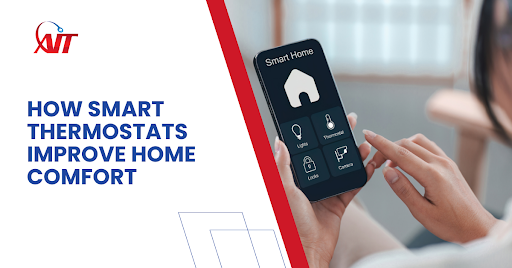
How Smart Thermostats Improve Home Comfort
Home comfort improves through steady temperature control supported by smart automation. Comfort remains a top priority for many households, and the system delivers stable results throughout the day. People enjoy smoother temperature changes and fewer hot or cold spots. This creates a home environment that feels calm and balanced.
Smooth Temperature Changes Without Sudden Shifts
Sudden temperature changes disrupt comfort, especially during busy hours. Gradual adjustments prevent discomfort and create a smoother indoor experience. Soft transitions help people wake comfortably, relax in the evenings, and enjoy steady balance throughout the home. This approach stands out because comfort improves without extra effort.
Zoned Control for Personalized Comfort
Zoned climate setups allow different areas of the home to maintain unique temperatures. Smart HVAC automation manages each zone through separate sensors and settings. Families benefit from this because each person can enjoy their preferred level of comfort. This structure supports larger homes where rooms heat or cool unevenly.
Real-Time Adjustments for Immediate Needs
Quick responses make temperature changes easy during busy moments. Mobile apps provide direct control from any location, and voice control offers hands-free access when tasks pile up. This combination helps people maintain ideal comfort even when schedules shift unexpectedly.
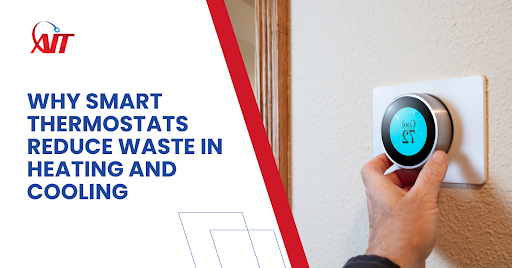 Why Smart Thermostats Reduce Waste in Heating and Cooling
Heating and cooling account for a major part of energy use in many homes. Waste decreases when the HVAC system runs only when needed, and climate control remains steady. Careful automation avoids unnecessary operation and maintains comfortable temperatures with less effort. This approach supports long-term efficiency in home heating and cooling.
Avoiding Unnecessary HVAC Cycles
Frequent cycling increases wear and raises energy costs. Automated climate control monitors real-time conditions and stops the system from running more than needed. This also supports better HVAC health over time.
Supporting Efficiency During Peak Hours
Peak hours often bring higher energy rates. Automated systems adjust early by pre-cooling or pre-heating the home, so the HVAC unit works less when rates rise. This creates a practical balance between comfort and savings.
Improving Airflow for Better System Performance
Some climate systems offer airflow suggestions based on room temperature patterns. These insights help homeowners identify blocked vents or uneven cooling. Better airflow reduces strain on the HVAC unit and supports a more comfortable indoor environment.
 Key Features That Support Effective Performance
Climate automation succeeds through several helpful features. Sensors, schedules, and adaptive tools work together to support comfort and energy savings. Each function contributes to a stable and efficient home environment.
Accurate Sensors That Monitor Conditions
Sensors provide temperature, humidity, and occupancy data. This information helps the thermostat make precise adjustments. Accurate readings allow the system to stay efficient while keeping comfort steady.
Integration With Smart Home Devices
Smart thermostats connect with home automation systems and voice assistants. These integrations provide flexible control and support daily routines. Homeowners enjoy a cohesive system that responds quickly.
Learning Tools That Improve Performance Over Time
Some thermostats learn household rhythms and adjust automatically. Over time, the device becomes more accurate and efficient. This helps reduce energy use without reducing comfort.
How Smart Thermostats Fit Into Modern Home Automation
Climate automation connects easily with other home systems. Many homeowners start with temperature control before expanding to lighting, shades, or security features. This creates a clear path toward a complete home setup that responds smoothly to daily needs.
Working With Automated Shades
Automated shades help reduce heat gain and loss. Climate settings use this support to keep temperatures stable throughout the day. Shade schedules and climate adjustments work together to protect comfort and limit unnecessary energy use.
Connecting With Room Sensors
Room sensors help thermostats read temperatures accurately across different spaces. This prevents comfort issues and helps the HVAC system run efficiently.
Supporting Voice Control for Daily Use
Voice control makes climate changes simple. People adjust temperatures with quick commands, which improves comfort during daily routines.
Why Thermostats Rank Among the Best Smart Devices
Thermostats rank among the best smart devices because they deliver long-lasting value. Homeowners enjoy lower bills, smoother comfort, and less manual work. These results appear quickly and remain consistent over time. Their reliability explains why many people consider them essential.
Fast Results With Clear Savings
Energy savings appear within the first months of use. Smart scheduling and steady climate control reduce waste. This makes the upgrade worthwhile for many households.
Reliable Comfort With Minimal Input
Comfort improves without repeated adjustments. The thermostat handles routine decisions and responds smoothly. This lets homeowners enjoy balanced temperatures with little effort.
Long-Term Support for Home Efficiency
Thermostats contribute to long-term efficiency. They support healthier HVAC performance and adapt as household patterns change.
Choosing the Best Thermostats for Your Home
Choosing the best thermostats depends on home size, HVAC type, and desired features. Homeowners should compare compatibility, sensor options, and scheduling tools. These factors influence comfort and energy savings.
Key Points When Selecting a Smart Thermostat
Consider these details when choosing:
- HVAC type and system compatibility
- Available scheduling features
- Sensor options for room balance
- Integration with smart home platforms
- App design and ease of use
Features Worth Prioritizing
Features that improve comfort and savings include:
- Detailed scheduling tools
- Geofencing for occupancy detection
- Learning capabilities
- Multi-room sensors
- Energy reports and usage tracking
Conclusion
Smart thermostats improve energy savings and home comfort through careful temperature control, strong automation, and accurate sensing. These devices help homeowners manage heating and cooling with better consistency and fewer mistakes.
Smart HVAC automation creates smoother climate adjustments, reduces waste, and supports steady comfort. With helpful features like scheduling tools, mobile apps, voice control, and room sensors, thermostats remain one of the most valuable upgrades for modern homes.
Improve your home with smart thermostats designed for better comfort and steady energy savings. Contact Ace Integrated Technologies today and bring reliable climate control to every part of your space.