

Your windows can either flood rooms with harsh glare or expose your home to unwanted eyes. Maybe you’ve tried heavy drapes or basic blinds, only to find they’re awkward, hard to adjust, or unattractive. Enter smart window shades: a solution that combines design, convenience, and control.
With the right smart window shades, you can manage light, privacy, and temperature with ease. In this guide, we’ll explore practical ideas, installation insights, and energy-smart choices to help you select shades that truly fit your home and lifestyle, without guessing or compromising.
Start by Observing How People Actually Use the Room
Since you now know the practical benefits, the first step is observing how the space is used day-to-day. Every design decision should answer: how does this room function at different times of day?
A sunlit living room needs glare control without killing the view; a nursery needs soft blackout for naps, and a home office needs glare reduction for video calls. Matching shade behavior to habits, rather than forcing habits to adapt to hardware, saves frustration.
This small perspective shift prevents costly mistakes after installation. Using smart window shade ideas tailored to real use patterns ensures every investment pays off in comfort and efficiency.

Choose a Shade Style That Solves the Real Problem
With usage patterns clear, pick a style that addresses your specific needs. Roller or solar shades work well for wide windows, cellular shades offer insulation and energy efficiency, and roman or layered shades add texture and softness. Smart window shades combine sleek design with motorized operation, perfect for large spans or multiple windows. Fabric choice balances light, privacy, and thermal performance. The goal is a system that looks intentional and performs reliably every day.
Roller and Solar: Minimal and Modern
Rollers deliver a sleek look and are easy to maintain. Solar fabrics reduce glare while keeping the view intact, which matters for rooms where the view is part of the appeal. These shades can be customized in width and height to fit almost any window without bulky hardware. They work especially well in living rooms or offices where simplicity and clean lines are a priority. Plus, pairing them with motorized operation allows one-touch control, making them ideal for large expanses that would otherwise be cumbersome to adjust manually.
Cellular Energy-Focused
Honeycomb cells trap air and add insulation, which helps cut heating and cooling cycles in extreme seasons. In my experience, homeowners notice temperature comfort before they notice dollar savings. Cellular shades come in various opacities, so you can balance natural light with privacy. They also reduce noise slightly, making them perfect for bedrooms or home offices. When motorized, you can schedule them to open and close according to sunlight patterns, maximizing energy efficiency automatically.
Roman and Layered Warmth and Depth
Layering a sheer with a roman allows daytime softness and nighttime privacy without swapping linens. It’s a simple design trick that makes a room feel intentional and finished. These shades add texture and dimension, complementing furniture and décor rather than dominating the room. They work particularly well in dining areas or formal living spaces where ambiance matters. Automated roman shades can be programmed to adjust with natural light, keeping rooms comfortable without constant manual adjustments.
Make the Control System Invisible to Users
Once your style is selected, focus on effortless operation. No one should be confused about which remote to use or how to adjust settings. Look for intuitive wall panels, one-touch buttons, app integration, or voice assistants. The goal is that anyone, family, guests, or staff, can operate the system without instruction. Using remote-controlled window coverings ensures control is accessible and consistent across the home, avoiding frustration and wasted time.
Controls: Wall, Remote, App, Or Voice?
Match the control mode to your household. Busy families often prefer wall panels or scene buttons; tech-savvy users value app integration and voice shortcuts. The key is consistency: choose one primary interface to avoid confusion. For example, a home with multiple rooms may benefit from central app control, while a single-family living space may find a wall switch more intuitive. Ultimately, the goal is that any guest, child, or resident can operate the shades without hesitation.
Installation Tips that Save Headaches
Accurate mounting heights, tidy power routing, and professional limit setting prevent jamming and uneven travel. Small installation details show up as long-term reliability. Planning the placement of motors and brackets in advance reduces errors during setup and saves time. Labeling control channels and testing each unit before final mounting ensures smooth operation. Proper installation not only preserves the longevity of the shades but also enhances the overall aesthetic and functionality of your home.
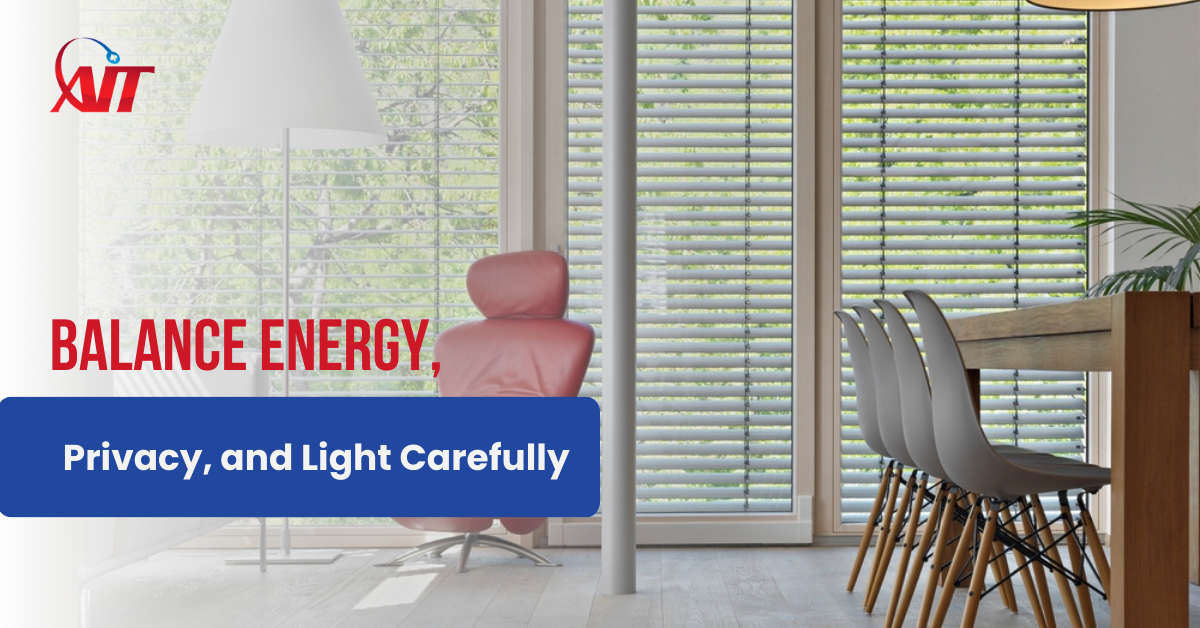
Balance Energy, Privacy, and Light Carefully
After control, determine the right balance of energy efficiency, privacy, and daylight. Solar or cellular fabrics reduce heat gain, maintain interior comfort, and protect furnishings. Blackout liners ensure total privacy when needed. Consider side channels or layered setups for maximum performance. Think of shades as part of a system that includes window orientation, glass type, and local climate.
Real Savings And Common Numbers
Expect the biggest gains where windows face strong sun; in milder climates, comfort often justifies the investment. Cellular or solar shades can reduce heat gain by up to 40%, depending on installation and material. Partial coverage alone can make a room noticeably cooler. Scheduled automation keeps shades aligned with peak sunlight hours, maximizing efficiency. Over time, these small benefits translate into real energy and comfort gains.
Design Moves For Better Privacy
Place side channels on bedroom windows, pair shades for wide expanses, and consider top-down options where you need daylight with privacy at the same time. Privacy-focused designs allow sunlight in without exposing interiors. Using layered shades gives more flexibility; you can adjust layers individually depending on the time of day. Consider motorized scheduling for automatic adjustments during early morning or late evening. Subtle integration ensures privacy without sacrificing style or natural light.
Plan For Serviceability And Future Upgrades
Technology evolves, so make sure your investment remains adaptable. Motor warranties, battery replacement paths, and fabric availability matter long-term. Systems built on open protocols allow future expansion without full replacement. Accessible mounting brackets and service-friendly wire runs save headaches later.
Thinking ahead keeps your smart shades functional and reliable for years. You can also future-proof your shades by choosing systems that integrate easily with new smart home devices.
As your home automation ecosystem grows, having shades that communicate with lighting, thermostats, and security systems ensures everything works together seamlessly. Upgradable firmware and modular components mean you won’t need to replace the entire setup just to add a new feature. Planning for adaptability today saves time, money, and frustration down the line.
The Bottom Line
Smart window shades combine style, comfort, and energy efficiency in one simple solution. By observing your habits, selecting the right style, prioritizing intuitive controls, and planning for the future, you’ll enjoy effortless adjustments and improved home comfort. Done well, shades stop being a daily task and start enhancing how you experience your living spaces every day.
Ready to transform your windows? Partner with Ace Integrated Technologies to design the perfect smart window shades for your home today.
Frequently Asked Questions
1. What are smart window shades, and how do they work?
Smart window shades are motorized or automated blinds that can be controlled via remote, app, or voice commands. They adjust light, privacy, and temperature automatically or on demand, providing convenience and energy efficiency. These solutions often integrate with other modern smart shade solutions to create a seamless home automation experience.
2. What are some automated blinds ideas for homes?
Automated blinds ideas include motorized roller shades, cellular honeycomb shades, and layered roman designs. You can schedule them to open and close with sunlight, pair them with smart thermostats, or integrate them with voice assistants. These smart window shade ideas combine style, functionality, and energy-saving benefits for any room.
3. How do motorized shade designs save energy?
Motorized shade designs help reduce heat gain in summer and heat loss in winter by controlling sunlight exposure. When paired with energy-saving window treatments, they maintain consistent indoor temperatures, lowering reliance on HVAC systems. Over time, this can noticeably reduce energy bills while improving comfort.
4. Can smart window shades be controlled remotely?
Yes, most remote-controlled window coverings allow operation via smartphone apps, tablets, or dedicated remotes. This makes it easy to adjust multiple shades at once or schedule routines, ensuring your home always maintains the desired light, privacy, and ambiance.
5. How do I choose the right modern shades for my home?
Selecting the right modern shades depends on room function, window size, desired privacy, and energy efficiency. Consider combining different fabrics, motorized operation, and automated controls to match your lifestyle. Consulting professionals for automated blinds for homes ensures a tailored, functional, and stylish setup.