
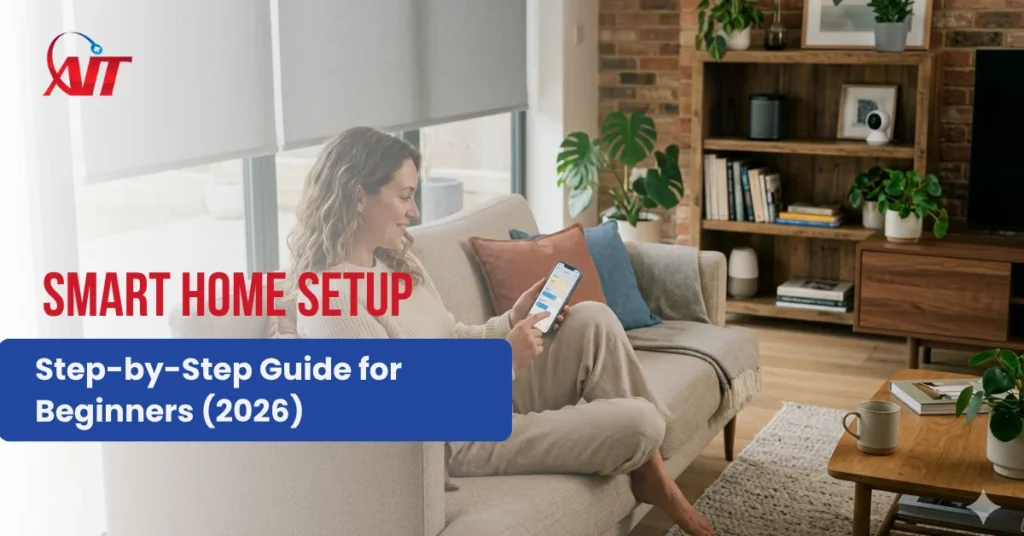
Many homeowners love the idea of controlling lights, security, and temperature with a tap, but figuring out where to begin can feel confusing. With so many devices, apps, and systems available, it’s easy to worry about choosing the wrong setup or wasting money. The good news is that building a smart home doesn’t require technical expertise. With the right plan, anyone can create a connected home that saves time, improves security, and adds convenience to daily life.
This guide will walk you through a practical smart home setup process from understanding the technology to installing your first devices so you can build a home that works smarter for you.
Understanding the Rise of the Smart Home
Before diving into devices and installation, it helps to understand why connected homes are becoming so common. The rise of the smart home is driven by convenience, security, and the growing availability of affordable automation technology.
Homes today can connect lighting, security cameras, thermostats, and entertainment systems into one centralized control system. Instead of managing separate devices, homeowners use a single app or voice command.
This shift is also changing the housing market. Buyers increasingly expect connected features, and smart homes in real estate often attract more interest because they promise comfort and efficiency.
Why Smart Homes Are Becoming the New Standard
Modern homes are becoming more intelligent because technology now fits seamlessly into daily routines. Devices can learn your preferences and automate tasks you used to do manually. For example, lights can adjust based on time of day, thermostats can lower energy use when you’re away, and security systems can send alerts directly to your phone. As people experience these benefits, smart living quickly stops feeling like a luxury and becomes something they don’t want to live without.
Smart Home Technology Will Change Lives
Beyond convenience, automation is shaping how people interact with their homes. Instead of reacting to problems, homes can anticipate needs and respond automatically. Let’s take an example of a home that locks doors at night, adjusts temperature before you wake up, and alerts you instantly if something unusual happens. These systems quietly remove small daily tasks. Over time, the impact grows. Homes become more efficient, safer, and easier to manage, especially for families with busy routines.
Benefits of Smart Homes for Everyday Living
When set up properly, smart homes offer real advantages that go beyond novelty.
- Better daily convenience: Control lights, temperature, and devices from one place.
- Improved home security: Cameras and sensors monitor your property around the clock.
- Energy savings: Smart thermostats and lighting reduce unnecessary usage.
- Remote access: Manage your home from anywhere using your phone.
- Lifestyle comfort: Automations handle repetitive tasks automatically.
These benefits explain why many homeowners now explore automation when upgrading or building a house.
Planning Your Smart Home Setup the Right Way
Now that the value of automation is clear, the next step is planning your system carefully. A thoughtful smart home setup prevents compatibility issues and ensures every device works together smoothly.
Start by thinking about your daily routines. Consider which tasks you repeat most often: adjusting lights, locking doors, or controlling entertainment systems. These are the areas where automation brings the biggest improvement.
It’s also wise to plan your system around one central platform. Voice assistants and smart hubs allow multiple devices to communicate with each other. This creates a unified experience instead of separate apps for every product.
Choosing the Right Smart Home Ecosystem
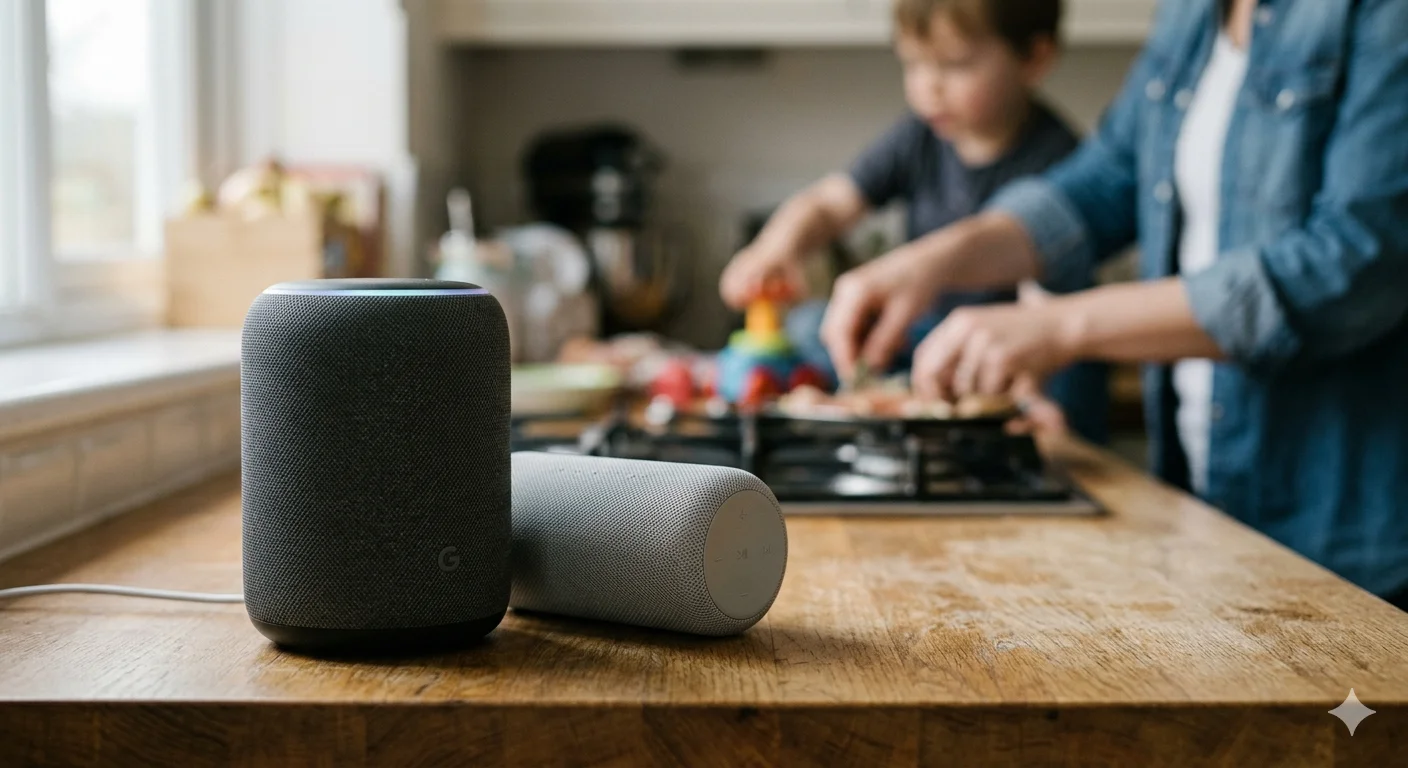
One of the first decisions involves selecting the platform that will control your home. Popular ecosystems include voice assistants and dedicated automation hubs. Your choice determines which devices will work together. Some platforms support thousands of compatible products, while others focus on specific brands. When choosing, look for systems that support lighting, security, thermostats, and entertainment devices. A flexible ecosystem makes future upgrades much easier.
Identifying the Devices You Actually Need
Many beginners assume they must automate everything immediately. In reality, starting small often produces better results. Focus on devices that provide the most daily value. Lighting automation, smart thermostats, and security cameras are common starting points because they solve real problems quickly. Once those systems work smoothly, you can expand your setup with entertainment systems, motorized shades, and voice-controlled appliances.
Deciding Between DIY and Professional Guidance
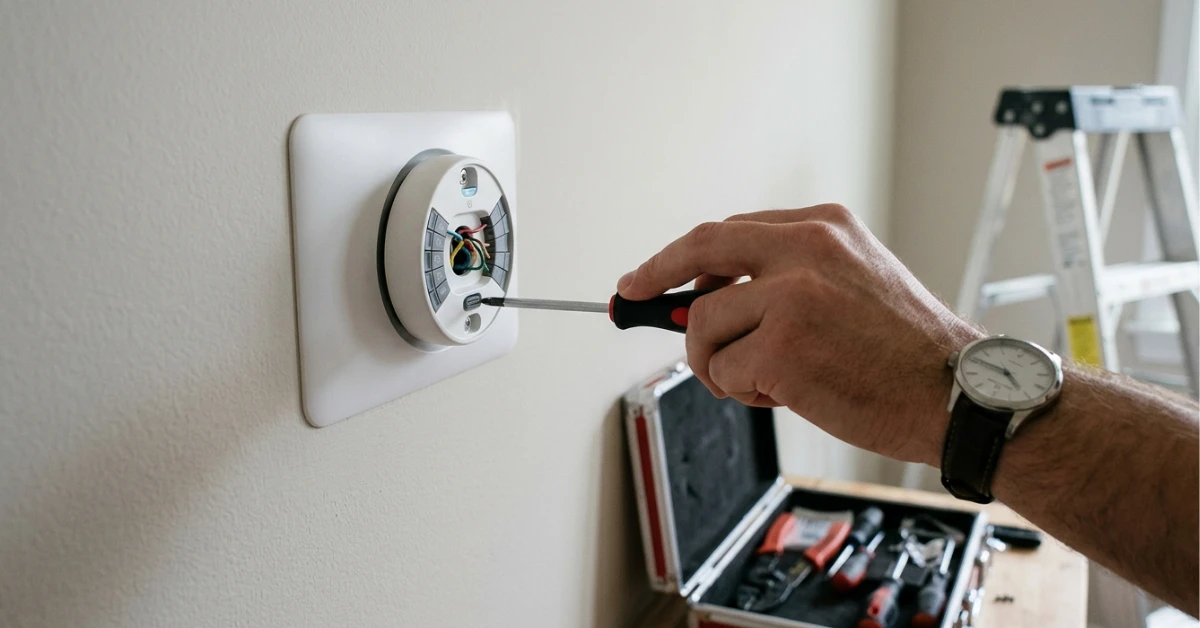
Some homeowners install devices themselves, while others prefer expert help. The right choice depends on the complexity of your project. Simple devices usually work well with DIY installation. However, whole-home automation systems often benefit from professional planning. A smart home consultant can design a system that integrates lighting, security, networking, and entertainment into one seamless platform.
Step-by-Step Smart Home System Installation
With a plan in place, the next step is installing the devices that bring your automation system to life. A structured approach makes smart home system installation much easier and prevents technical headaches later.
Instead of adding devices randomly, begin with your network and core systems first. Your internet connection acts as the backbone of the entire setup. After that foundation is stable, you can gradually expand your home with additional automation features.
Step 1: Strengthen Your Home Network
Every smart device relies on your internet connection. Weak signals can cause delays, dropped connections, or unreliable automations. Consider upgrading your router or adding a mesh Wi-Fi system. These systems provide consistent coverage throughout the home, ensuring devices stay connected. Reliable connectivity keeps your automation system responsive and prevents frustrating technical issues.
Step 2: Install Your Smart Hub or Voice Assistant
The next step involves installing the central control system. Smart hubs or voice assistants allow different devices to communicate with each other. Once installed, you’ll connect compatible devices through the platform’s app. This becomes your control center for managing automations. From here, you can create routines like turning lights off automatically at night or adjusting the temperature when you leave home.
Step 3: Add Lighting, Thermostats, and Sensors
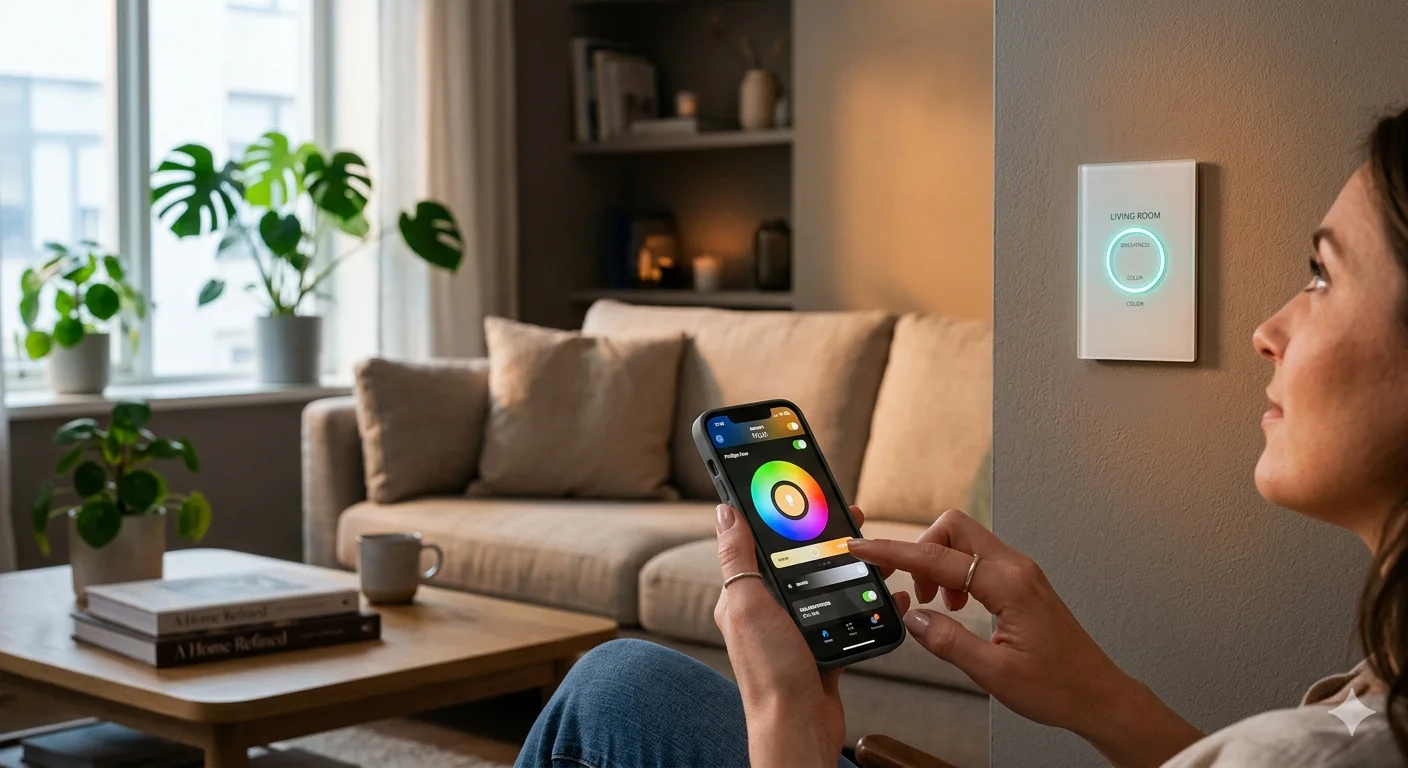
Lighting and temperature control are usually the first upgrades homeowners install. These devices are simple, affordable, and immediately useful. Smart lighting lets you adjust brightness, create schedules, and control lights remotely. Smart thermostats automatically manage heating and cooling for better energy efficiency. Sensors and motion detectors can also trigger automations such as turning on hallway lights when someone walks by.
Step 4: Expand with Entertainment and Security
Once the basics work smoothly, you can add advanced features. Home theater systems, multi-room audio, and smart TVs integrate easily with automation platforms. Security devices also play an important role. Cameras, doorbell systems, and door locks create a secure smart home that alerts you to unusual activity. Gradually expanding your system keeps the setup manageable while building a more capable home.
Creating a Secure Smart Home
As your automation system grows, security becomes a critical consideration. A connected home should make life easier, but it should also protect your privacy and property. A secure smart home begins with strong passwords and reliable network protection. Devices connected to the internet can become vulnerabilities if they aren’t configured properly.
Fortunately, a few simple habits dramatically improve your system’s safety.
- Use strong, unique passwords: Avoid using the same password across multiple devices.
- Enable two-factor authentication: Adds an extra layer of protection to your accounts.
- Update device software regularly: Updates fix security vulnerabilities.
- Secure your Wi-Fi network: Use modern encryption and a strong router password.
- Limit device access: Only connect trusted devices to your network.
Taking these precautions ensures your automation system stays both convenient and secure.
How Smart Homes Are Shaping the Future of Living
Once a home is automated, people quickly realize how much easier everyday routines become. What begins as a few connected devices often grows into a fully integrated system that manages lighting, entertainment, climate, and security together. This transformation explains why smart homes in real estate are gaining attention. Buyers increasingly look for homes that already include modern technology infrastructure. Over time, automation will likely become a standard part of home design rather than an optional upgrade.
Smart Homes and Property Value
Connected homes are often viewed as more modern and efficient. Features such as smart lighting, automated climate systems, and integrated security can make properties stand out in competitive housing markets. While technology alone doesn’t determine property value, it contributes to the overall perception of comfort and innovation. As adoption grows, these systems may eventually become expected features in many new homes.
The Growing Role of Professional Integration
As systems become more advanced, homeowners are turning to specialists who understand how different technologies work together. Professionals can design networks, install integrated audio systems, and configure automation routines that work smoothly throughout the home. This approach ensures every component works together rather than functioning as separate gadgets.
Next Generation of Smart Homes
The next wave of automation will likely focus on intelligence rather than simple control. Homes will learn routines, predict preferences, and adjust settings automatically. Artificial intelligence and improved sensors will allow homes to respond more naturally to human behavior. Instead of managing devices manually, homeowners may simply live their lives while technology quietly supports them.
Final Insights
A smart home setup may seem complicated at first, but the process becomes much clearer when broken into simple steps. By planning your devices, building a reliable network, and installing automation gradually, you can create a home that improves comfort, efficiency, and security. As smart technology continues evolving, thoughtful planning ensures your system remains flexible and future-ready.
For expert guidance, Ace Integrated Technologies helps homeowners design and install seamless smart home systems tailored to modern lifestyles.
FAQs
What is a smart home setup?
A smart home setup connects devices like lighting, thermostats, security cameras, and entertainment systems so they can be controlled remotely or automated through a single platform.
What are the main benefits of smart homes?
The benefits of smart homes include convenience, energy efficiency, remote control, improved security, and automated routines that simplify everyday tasks.
Do I need a smart home consultant to install automation?
A smart home consultant can help design and integrate complex systems. While simple devices can be installed independently, larger automation projects often benefit from professional planning.
How does smart home system installation work?
Smart home system installation usually begins with a strong Wi-Fi network, followed by adding a central hub and connecting devices such as lighting, thermostats, and security systems.
Are smart homes becoming popular in real estate?
Yes. Smart homes in real estate are becoming more attractive to buyers because automation offers energy savings, modern convenience, and improved home security.