
Modern homes are no longer just about aesthetics; they’re about how intelligently spaces function. If you’ve been wondering what is smart home interior design, it’s the fusion of technology and interior planning to create spaces that respond to your needs automatically. From lighting that adjusts to your mood to a home theater system that transforms your living room, smart design enhances comfort, security, and efficiency.
Today’s homeowners want more than style; they want control, convenience, and seamless experiences. This guide breaks down how smart home technology is reshaping interiors and why it’s becoming essential in modern living.
| Smart home interior design integrates Smart home technology into the layout, furniture, and systems of a home. It combines automation tools like lighting control systems, home entertainment systems, and climate control with interior aesthetics to create a space that is functional, efficient, and responsive to user preferences. |
What Is Smart Home Interior Design?
Smart home interior design is the strategic integration of automated systems into a home’s layout and aesthetics. It ensures that technology blends naturally with interiors rather than appearing as an afterthought. This includes everything from concealed wiring to voice-controlled lighting and climate systems. The goal is to create a living environment that is both visually appealing and technologically advanced.
How It Differs from Traditional Interior Design
Traditional interior design focuses mainly on furniture, colors, and spatial arrangement. Smart design, however, adds a functional layer where systems communicate and automate tasks. For example, instead of manually adjusting lighting, a lighting control system can adjust brightness based on time of day or activity. This creates a more dynamic and personalized environment. It’s not just about how your home looks; it’s about how it behaves.
Core Elements of Smart Home Design
Smart interiors rely on interconnected systems that work together seamlessly. These include lighting, climate control, security, and entertainment solutions. Each system is designed to enhance daily living while maintaining a clean, clutter-free appearance. Integration is key, ensuring all devices function through a central control interface. This unified approach simplifies user interaction and improves efficiency.
Key Features of Smart Home Interior Design
Smart home interiors are built around convenience, personalization, and efficiency. These features are carefully planned during the design phase to ensure seamless integration. Instead of adding devices later, everything is built into the structure and layout. This approach results in a cohesive and intuitive living experience.
Automated Lighting and Climate Control
Lighting and temperature are essential elements of comfort, and automation enhances both. A lighting control system can adjust brightness based on natural light or user preferences. Similarly, smart thermostats learn your habits and maintain optimal temperatures automatically. This not only improves comfort but also reduces energy consumption. The result is a home that adapts to you without manual effort.
Integrated Home Entertainment Systems
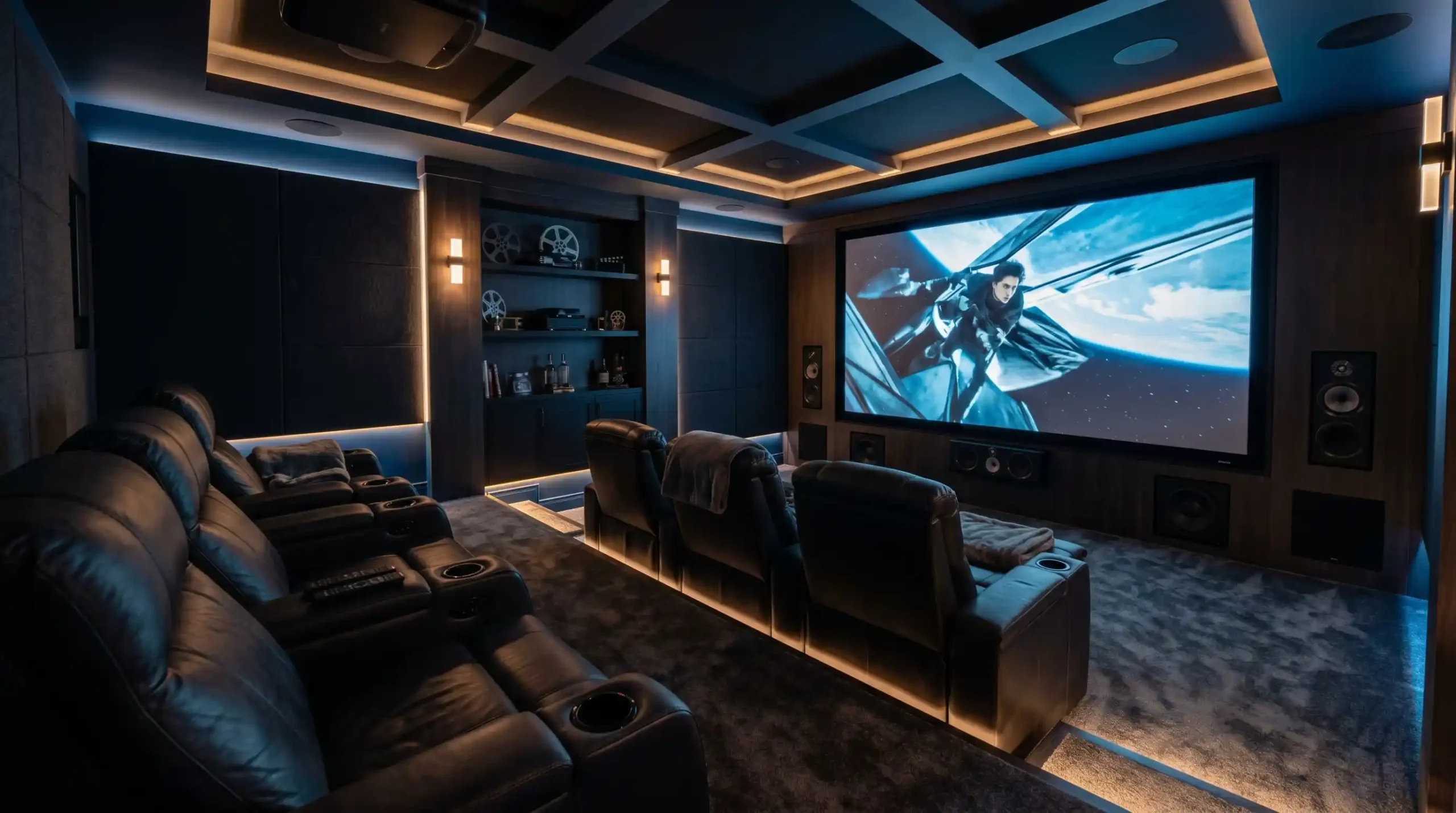
Entertainment is a major part of modern living, and smart design elevates the experience. A home entertainment system can be seamlessly integrated into walls, ceilings, or furniture. This ensures high-quality audio and video without visible clutter. Systems can be controlled via smartphones or voice assistants for ease of use. Whether watching movies or hosting guests, the experience feels immersive and effortless.
Security and Surveillance Integration
Security is a critical aspect of smart interiors, offering peace of mind. Smart cameras, motion sensors, and access controls work together to monitor your home. These systems can send real-time alerts and allow remote access from anywhere. Integration ensures that security features blend into the design without being intrusive. This creates a safe yet aesthetically pleasing environment.
Benefits of Smart Home Interior Design
Smart home interior design offers more than convenience; it transforms how you live daily. By integrating intelligent systems, homeowners gain control over their environment in ways traditional homes cannot offer. The benefits extend across comfort, efficiency, and long-term value. It’s an investment in both lifestyle and future-ready living.
- Enhanced Convenience: Automated systems handle routine tasks like adjusting lighting, temperature, and entertainment, allowing homeowners to focus on more important activities while enjoying a seamless and stress-free living experience daily.
- Energy Efficiency: Smart home technology optimizes energy usage by adjusting systems based on occupancy and preferences, helping reduce electricity bills while promoting sustainable and environmentally friendly living practices.
- Improved Security: Integrated surveillance and smart locks provide real-time monitoring and remote access, ensuring homeowners can control and secure their property from anywhere with confidence and ease.
Role of a Smart Home Company in Interior Design
A professional smart home company plays a crucial role in bringing smart interiors to life. They handle everything from planning and system selection to installation and maintenance. Their expertise ensures that technology integrates smoothly without disrupting the design. Working with professionals also helps avoid compatibility issues between devices.
Design Consultation and Planning
The process begins with understanding the homeowner’s needs and lifestyle. Experts assess the space and recommend suitable smart solutions. They ensure that systems align with both functionality and aesthetics. This stage is critical for achieving a balanced design. Proper planning prevents costly changes later.
Professional Installation and Integration
Installing smart systems requires technical expertise and precision. Professionals ensure that devices are correctly installed and connected. They also configure systems to work together seamlessly. This eliminates glitches and ensures smooth operation. A well-integrated system enhances user experience significantly.
Ongoing Support and Upgrades
Technology evolves quickly, and smart homes need regular updates. A reliable provider offers maintenance and upgrade services. This ensures your systems remain efficient and up-to-date. Ongoing support also helps troubleshoot issues quickly. It keeps your smart home running at peak performance.
Smart Home Design Ideas for Modern Interiors
Designing a smart home doesn’t mean compromising on style. In fact, it enhances the overall aesthetic by reducing clutter and improving functionality. With the right approach, technology can blend seamlessly into any design theme. The key is thoughtful integration.
- Hidden Technology Integration: Conceal speakers, wiring, and control panels within walls or furniture to maintain a clean, minimalistic look while still enjoying the benefits of advanced smart home systems.
- Multi-Room Audio Systems: Install high-end audio systems across multiple rooms for synchronized music and entertainment, creating a consistent and immersive sound experience throughout the entire home.
- Custom Home Theater Setup: Design a dedicated home theater system with optimized acoustics, lighting, and seating to deliver a cinematic experience right in the comfort of your home.
Challenges and Considerations
While smart home design offers many advantages, it also comes with challenges. Understanding these factors helps homeowners make informed decisions. Proper planning and professional guidance can minimize risks. Awareness ensures a smoother transition to smart living.
Budget and Initial Investment
Smart home systems can require a significant upfront investment. Costs vary depending on the level of automation and technology used. However, the long-term benefits often outweigh the initial expense. Energy savings and increased property value add to the return on investment. Planning a realistic budget is essential.
Compatibility and Integration Issues
Not all devices work seamlessly together, which can create complications. Choosing compatible systems is crucial for smooth operation. A professional smart home company can help select the right solutions. This ensures all components function as a unified system. Proper integration enhances reliability.
Maintenance and Upgrades
Smart systems require regular updates and occasional maintenance. Software updates ensure security and performance improvements. Hardware may also need upgrades over time. Staying updated keeps your system efficient and secure. Regular maintenance prevents unexpected issues.
Parting Words
Smart home interior design is redefining how we experience our living spaces by blending technology with thoughtful design. It offers comfort, efficiency, and a truly personalized environment. Whether upgrading or building new, integrating smart solutions is a forward-thinking choice.
Explore how Ace Integrated Technologies can help transform your space into a smarter, more connected home.
FAQs
What is smart home interior design in simple terms?
Smart home interior design combines automation technology with interior planning to create spaces that respond to user needs. It includes systems like lighting, climate control, and entertainment that can be controlled remotely or automatically for better convenience and efficiency.
How does a home theater installation fit into smart design?
A home theater installation is a key part of smart interiors, offering immersive entertainment. It integrates audio, video, and lighting systems into the design, ensuring a seamless and high-quality experience without visible clutter or complicated setups.
Is smart home technology expensive to install?
The cost of Smart home technology depends on the level of automation and features chosen. While initial investment can be high, it often leads to long-term savings through energy efficiency and increased property value, making it a worthwhile investment.
Can smart home systems be added to existing homes?
Yes, smart systems can be retrofitted into existing homes. However, working with a professional smart home company ensures proper integration and compatibility. This helps avoid technical issues and ensures a smooth transition to a smarter living environment.