
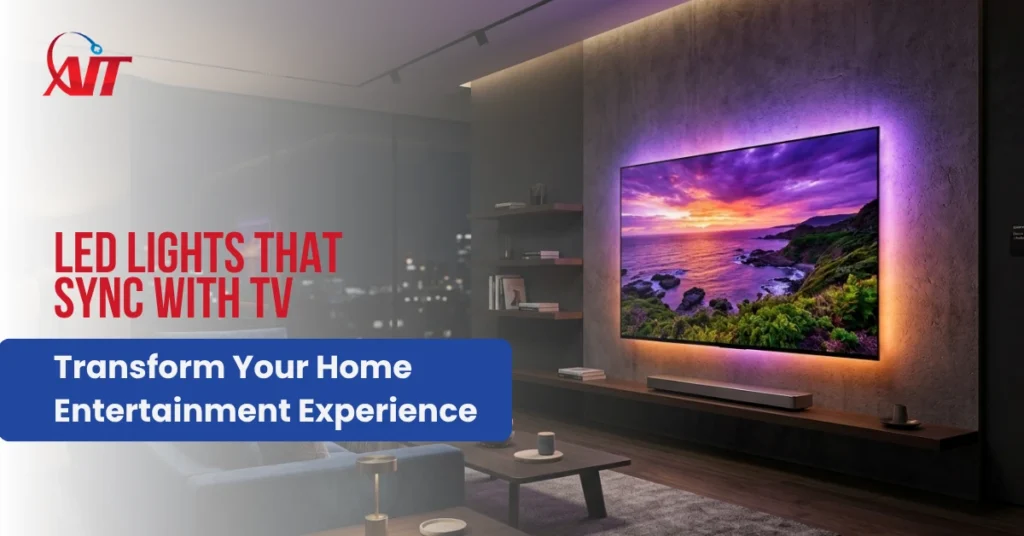
LED lights that sync with TV are transforming how we experience movies, games, and streaming content. Many homeowners struggle with dull, mismatched lighting that dampens immersion and reduces comfort. This blog will guide you through the best ways to add LEDs to TV, explain how smart lighting systems work, and show how lighting automation can elevate both home and commercial spaces.
By the end, you’ll understand how synchronized lighting improves ambiance, enhances focus, and creates cinematic experiences effortlessly. Let’s explore how these lights can turn any viewing session into a fully immersive, visually stunning experience.
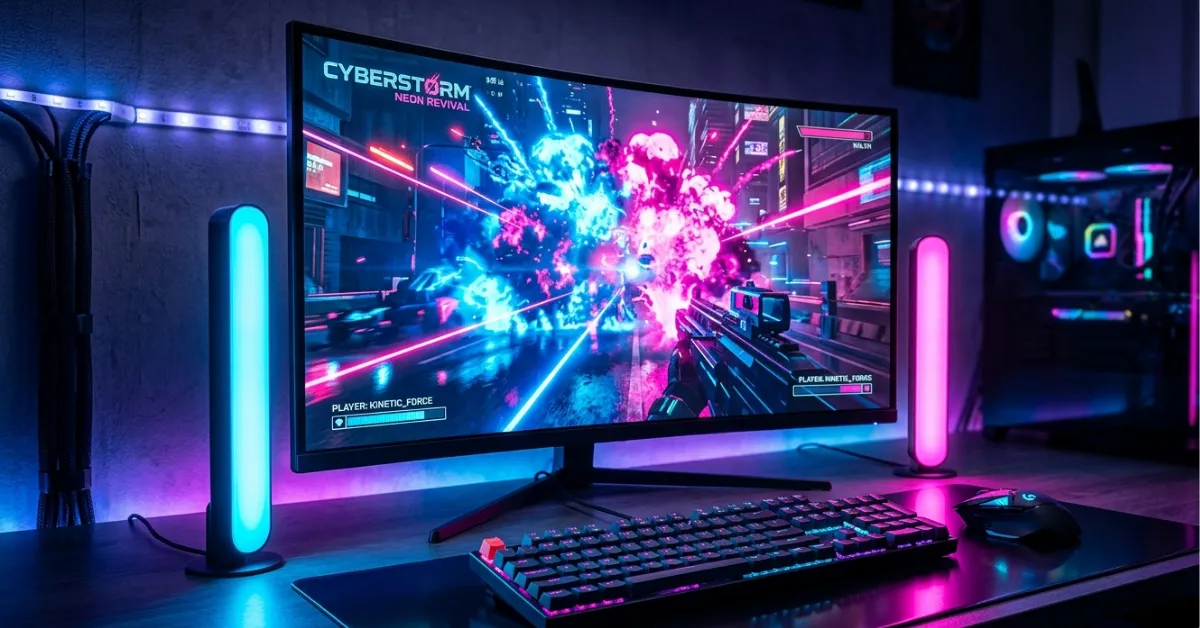
LED Lights That Sync With TV Are a Game-Changer
Syncing lights with your TV enhances immersion, improves comfort, and adds a cinematic feel to any room. These systems go beyond aesthetics, offering practical benefits for home and commercial settings.
Benefits include:
- Enhanced Immersion: LED lights extend on-screen colors into the room for a more captivating experience.
- Reduced Eye Strain: Backlighting helps your eyes adjust to varying brightness levels.
- Mood Control: Adjust colors and intensity based on movies, gaming, or events.
- Energy Efficiency: LEDs consume minimal electricity while delivering high-impact visuals.
- Commercial Applications: Businesses can use syncable LEDs for professional environments.
Additionally, integrating LED lights with a smart lighting system allows automation and remote control. This setup can be scaled for multiple rooms or zones, creating a cohesive experience throughout a home or commercial space.
Finally, LED lighting enhances the overall interior design by creating depth, focus, and visual interest. Dynamic lighting makes entertainment more memorable and can even boost productivity in commercial spaces.
Best Way to Add LEDs to TV
Adding LEDs to your TV doesn’t need to be complicated. The right approach depends on your setup, budget, and aesthetic goals.
- Backlit LED Strips: Adhesive strips attach behind the TV, providing a subtle glow.
- Smart Light Bars: Mounted above or below the TV, offering adjustable colors.
- HDMI Sync Boxes: Capture on-screen colors in real-time for precision syncing.
Backlit strips are popular because they’re inexpensive and easy to install. Many kits connect via USB, requiring minimal technical expertise.
Smart light bars offer a more polished look and often come with app-based controls, allowing color and brightness adjustments. These bars can also integrate with existing smart home systems. HDMI-based solutions provide professional-grade syncing, ideal for avid gamers, home theaters, or commercial applications where lighting accuracy is critical.
Strip LEDs Behind the Screen
Flexible LED strips attach behind your TV to reflect colors onto surrounding walls. This setup creates a halo effect that enhances cinematic immersion. Most kits include adhesive backing for easy installation, and brightness can be adjusted based on your room’s lighting. Popular brands allow app integration to control color, intensity, and effects remotely.
Smart Light Bars
Light bars mounted around the TV create focused lighting that can adapt to screen content. They often include app control or preset scenes, making adjustments simple. Users can automate colors based on the media type, from movies to gaming. Their slim design ensures they blend seamlessly with modern setups.
Using HDMI-Based Sync Boxes
HDMI sync boxes capture on-screen color data and communicate it to connected LEDs. This provides real-time synchronization for a more immersive experience. The technology works across multiple TV brands and supports professional-grade home theaters. Perfect for commercial spaces, these boxes ensure precise and dynamic lighting.
How TV Lights Sync Works
Understanding the technology behind LED lights that sync with TV makes it easier to choose the right setup. The system captures colors from the screen through HDMI or app-based solutions. It interprets dominant colors and brightness levels in real-time to adjust connected LEDs.
LEDs respond instantly, mimicking on-screen visuals to create an immersive environment. Integration with smart lighting systems allows automation, preset scenes, and voice control. Syncing lights reduces eye strain and creates a consistent viewing experience, whether for movies, gaming, or commercial applications.
Integrating a Smart Lighting System
A smart lighting system takes TV-sync LEDs to the next level by providing home and commercial control.
Key features include:
- Centralized Control: Manage all lights through a single app or hub.
- Automated Scenes: Program colors for movies, games, or meetings.
- Voice Commands: Compatible with Alexa, Google Assistant, and HomeKit.
- Energy Savings: Schedule lights to turn off or dim automatically.
- Commercial Applications: Enhance conference rooms or event spaces effortlessly.
Automation simplifies lighting adjustments without manual input. Users can set schedules or activate scenes with a single tap or voice command. Professional integration ensures LEDs work harmoniously with other smart devices. This creates an environment that’s visually appealing and functionally efficient.
Choosing the Right LED Lights for Your TV
Selecting the right LEDs depends on brightness, compatibility, and expansion potential.
- Brightness & Color Accuracy: Look for high lumens and a wide color gamut.
- Compatibility: Check smart hubs, TV brands, and apps.
- Ease of Installation: Choose options with adhesive or mounts.
- Scalability: Ability to integrate with additional smart lighting or commercial setups.
- Warranty & Support: Reliable brands offer help for troubleshooting.
Popular kits include Philips Hue Play Gradient, Govee Immersion LED Strip, and LIFX Z Lightstrips. These integrate with voice assistants and smart hubs for seamless operation.
Home Lighting Control Tips for an Immersive Experience
Maximizing your LED setup requires smart usage and automation.
- Adjust Brightness: Match room lighting to on-screen intensity.
- Sync Multiple Zones: Extend TV lighting to shelves or furniture.
- Automated Timers: Lights adjust based on the viewing schedule.
- Color Themes: Set moods for gaming, movies, or relaxation.
- Maintenance: Keep firmware updated for smooth performance.
Automation reduces manual work while enhancing the immersive feel. Combining zones and scenes creates a cinematic environment throughout your space.
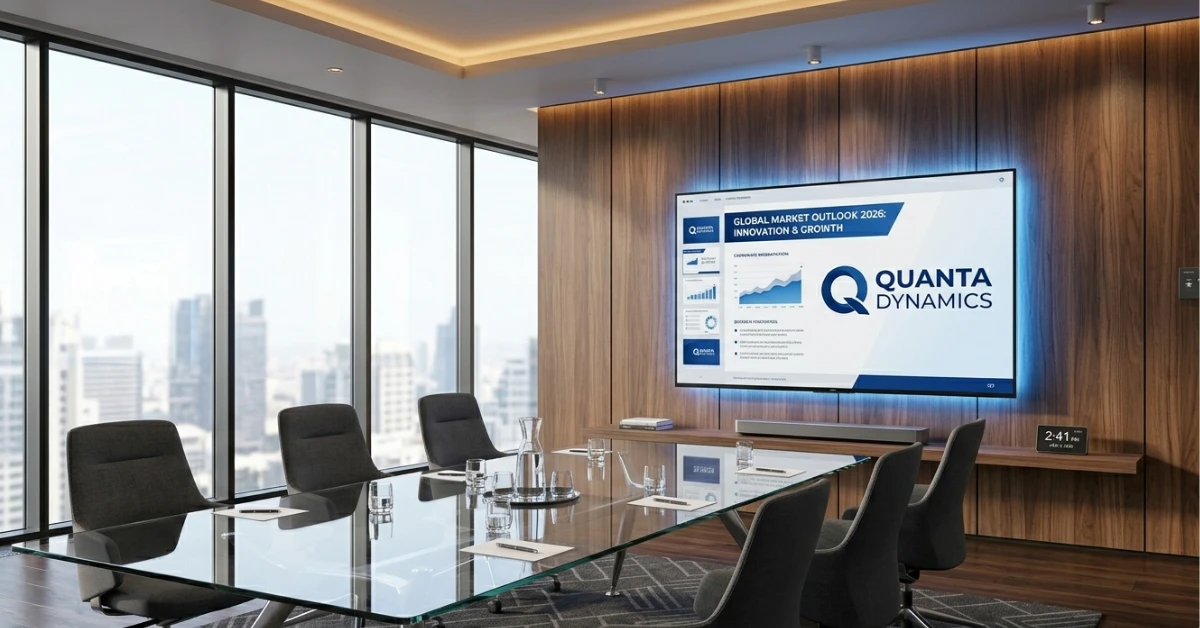
Commercial Applications of TV-Sync LEDs
Businesses also benefit from LED lights that sync with TV.
- Conference Rooms: Dynamic backlighting improves focus and engagement.
- Retail Spaces: Enhance displays with color-matching effects.
- Event Venues: Synchronize lighting with presentations or performances.
- Hospitality: Elevate ambiance in hotels, restaurants, or lounges.
- Professional Integration: Ensure lights operate consistently across commercial spaces.
LEDs improve aesthetics and productivity by creating visually dynamic environments that complement digital content.
Final Insights
LED lights that sync with TV transform home and commercial entertainment spaces, delivering immersive visuals, reducing eye strain, and enhancing mood. By combining smart lighting systems, proper installation, and automation, you can create a synchronized environment effortlessly.
Explore professional setups at ACE Integrated to maximize results and bring your living room, gaming space, or commercial venue to life with vibrant, responsive lighting.
FAQs
Q1: How do I set up LED lights that sync with TV?
Connect compatible LED strips, light bars, or HDMI sync boxes. Use apps or smart hubs to control colors and effects.
Q2: Can I sync LED lights with any TV?
Most modern TVs support USB- or HDMI-powered LEDs. Verify compatibility with your device and smart lighting system.
Q3: What’s the best way to add LEDs to a TV?
Options include backlit strips, gradient light bars, or HDMI sync boxes, paired with smart lighting for automation.
Q4: Can smart lighting systems control commercial spaces?
Yes, commercial systems allow dynamic adjustments in conference rooms, retail, hospitality, and event spaces.
Q5: Are LED lights energy efficient?
Modern LEDs use minimal electricity while delivering vivid colors, real-time sync, and dynamic lighting effects.