
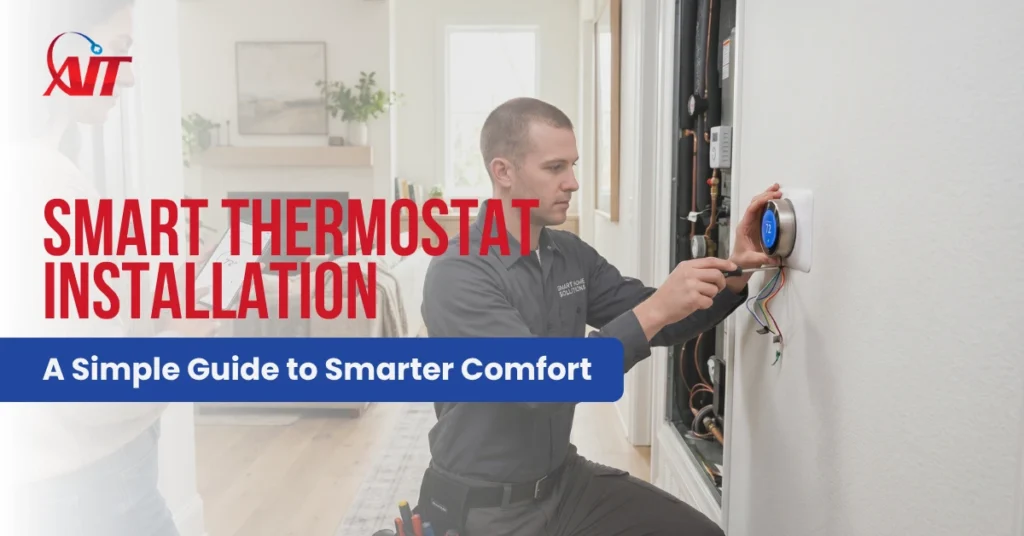
Upgrading to a smarter home starts with smart thermostat installation, and it’s one of the easiest ways to improve comfort and cut energy costs. Many homeowners struggle with rising bills, uneven temperatures, and outdated systems. A modern Wi-Fi smart thermostat solves these problems by giving you control from your phone and optimizing energy use automatically.
Whether you’re planning to install a smart thermostat yourself or hire an electrician for smart thermostat setup, this guide will walk you through everything clearly so you can make the right decision with confidence.
| Smart thermostat installation typically takes 30–60 minutes and costs between $150 and $500, depending on the system and labor. It connects your HVAC system to your smart home system, allowing remote control, automation, and energy savings through a mobile app or voice assistant. |
Why Smart Thermostat Installation Is Worth It
Smart thermostat installation is more than a tech upgrade; it’s a practical investment in comfort and efficiency. It connects your heating and cooling system to smart home technology, allowing you to control temperature remotely and automate schedules. Over time, this reduces wasted energy and keeps your home comfortable without constant adjustments.
Better Energy Efficiency
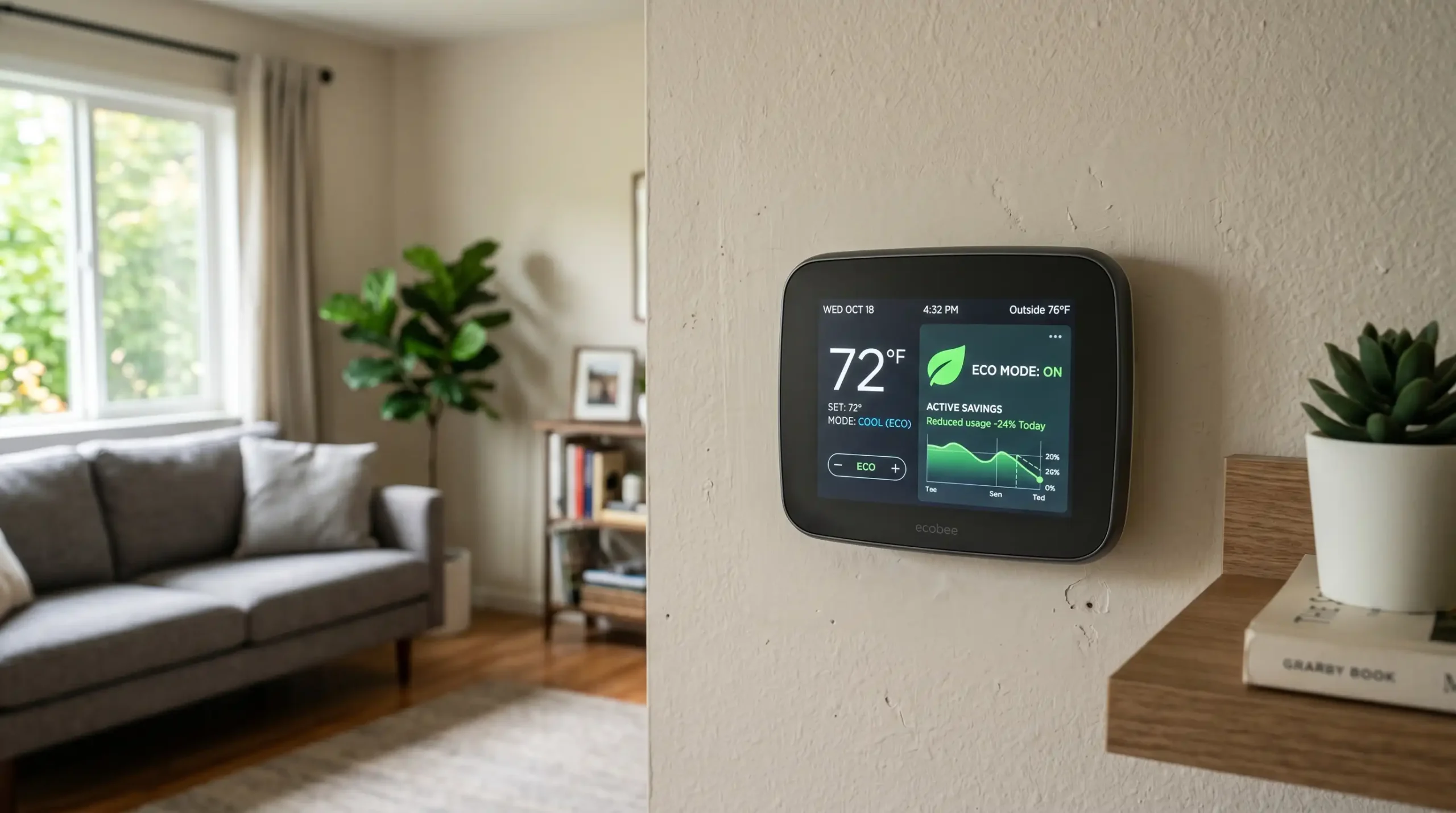
A smart AC thermostat learns your habits and adjusts temperatures automatically. This means less energy is used when you’re away or sleeping. Over time, these small adjustments can lead to noticeable savings on your energy bills.
Remote Control Convenience
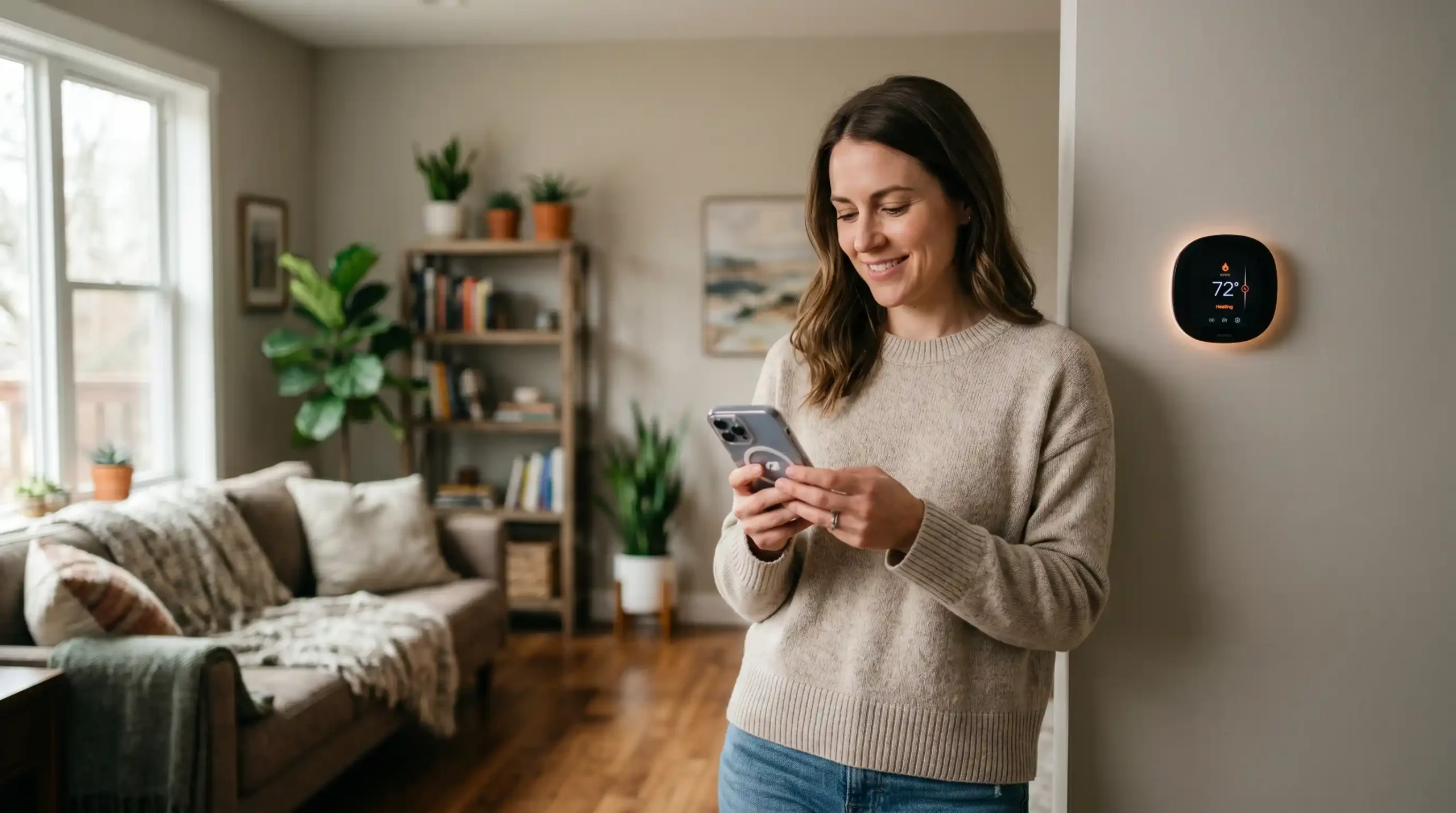
With smart home control, you can manage your home temperature from anywhere using your phone. This is especially useful when you forget to turn off the AC or want to adjust settings before arriving home.
Seamless Smart Home Integration
Smart thermostats easily connect with broader smart home solutions. They can sync with lighting, voice assistants, and other devices to create a fully automated environment that adapts to your lifestyle.
How to Install a Smart Thermostat (Step-by-Step)
Installing a smart thermostat can be straightforward if you follow the right steps. However, understanding your wiring and HVAC compatibility is crucial before starting. If you’re unsure, hiring an electrician for smart thermostat installation is a safer option.
Step 1: Turn Off Power
Always switch off the power from your circuit breaker before starting. This prevents electrical hazards and protects your system. Double-check that your thermostat display is off before proceeding.
Step 2: Remove Old Thermostat
Carefully remove the existing thermostat and label the wires. Each wire connects to a specific function, so proper labeling ensures smooth installation. Taking a photo can help avoid confusion later.
Step 3: Install the New Device
Mount the new thermostat base and connect wires according to the instructions. Most wifi smart thermostat models include easy guides or apps to assist you step-by-step.
Step 4: Connect to WiFi and Configure
Once installed, power on the system and connect it to your WiFi. Use the mobile app to set schedules and preferences and integrate with your smart home system.
Smart Thermostat Installation Cost Breakdown
Understanding the smart thermostat installation cost helps you plan better and avoid surprises. Costs vary depending on device type, labor, and system complexity.
- Basic Installation Costs: Typically range from $150 to $300 for standard setups, especially when wiring is already compatible, and no additional upgrades or modifications are required.
- Advanced System Installation: Costs can go up to $400–$500 if your HVAC system needs upgrades, additional wiring, or integration into a larger smart home system.
- DIY vs Professional Setup: DIY installation saves labor costs but requires technical confidence. Hiring an electrician for a smart thermostat ensures safe and accurate installation, especially for complex systems.
Choosing the Best Smart Thermostat for Your Home
Selecting the best smart thermostat depends on your home setup, lifestyle, and budget. Not all devices offer the same features, so it’s important to evaluate what matters most.
Compatibility with HVAC System
Not every thermostat works with every HVAC system. Before buying, check compatibility to ensure smooth installation and performance. This avoids unnecessary delays or additional costs.
Features That Matter
Look for features like learning capabilities, geofencing, and energy reports. These features enhance automation and give you better control over your energy usage.
Ease of Use
A user-friendly interface and mobile app make daily use simple. The goal is convenience, so choose a system that feels intuitive and easy to manage.
Common Mistakes to Avoid During Installation
Even though smart thermostat installation is straightforward, small mistakes can lead to bigger issues. Avoiding these common errors ensures your system works efficiently from day one.
- Skipping Compatibility Checks: Installing a thermostat without verifying HVAC compatibility can cause system failure or limited functionality, leading to wasted time and additional expenses.
- Incorrect Wiring Connections: Misplacing wires can damage your thermostat or HVAC system. Always label wires properly and follow installation instructions carefully to avoid costly repairs.
- Ignoring Professional Help When Needed: Complex systems require expert handling. Hiring an electrician for smart thermostat installation ensures safety, proper setup, and long-term reliability.
When to Hire a Professional Installer
While DIY installation works for many homeowners, certain situations require professional expertise. If your system is outdated or the wiring is unclear, it’s safer to bring in an expert.
Complex HVAC Systems
Homes with multi-zone systems or older wiring setups often need professional handling. This ensures compatibility and prevents system damage during installation.
Time and Convenience
Hiring a professional saves time and removes guesswork. You get a fully functional smart thermostat without troubleshooting issues on your own.
Long-Term Reliability
A professionally installed system is more reliable and efficient. It reduces the risk of errors and ensures your smart home technology performs as expected.
Key Benefits You’ll Notice Immediately
After installation, the benefits of a smart thermostat become clear quickly. It enhances comfort, convenience, and efficiency in your daily life.
- Lower Energy Bills Instantly: Smart scheduling and automation reduce unnecessary energy use, helping you save money without compromising comfort or convenience.
- Improved Home Comfort: Consistent temperature control eliminates hot and cold spots, creating a more comfortable and balanced indoor environment throughout the day.
- Smarter Lifestyle Integration: Seamless connection with smart home solutions allows voice control, automation, and remote access, making everyday living easier and more efficient.
The Bottom Line
Smart thermostat installation is a simple upgrade with long-term benefits. It improves comfort, reduces energy costs, and integrates seamlessly into your smart home system. Whether you choose DIY or professional installation, the key is making the right choice for your setup.
For a hassle-free experience and expert guidance, consider working with ACE Integrated Tech to get smart solutions.
FAQs
What is smart thermostat installation and how does it work?
Smart thermostat installation involves replacing your traditional thermostat with a connected device that controls your HVAC system. It works through WiFi, allowing remote access, automation, and energy optimization via a mobile app or smart home control system.
How much does it cost to install a smart thermostat?
The smart thermostat installation cost typically ranges from $150 to $500. The final price depends on the complexity of your HVAC system, wiring requirements, and whether you choose DIY installation or hire a professional electrician.
Can I install a smart thermostat myself?
Yes, many homeowners can install a smart thermostat themselves if their system is compatible and wiring is straightforward. However, for complex setups or older systems, hiring an electrician for smart thermostat installation is recommended for safety and accuracy.
What is the best smart thermostat for home use?
The best smart thermostat depends on your needs. Look for compatibility, user-friendly apps, energy-saving features, and integration with your smart home system. Popular options include devices with learning capabilities and remote control features.
Do smart thermostats really save energy?
Yes, smart thermostats reduce energy usage by automating temperature settings based on your habits. Features like scheduling, geofencing, and energy reports help optimize usage, leading to noticeable savings on utility bills over time.